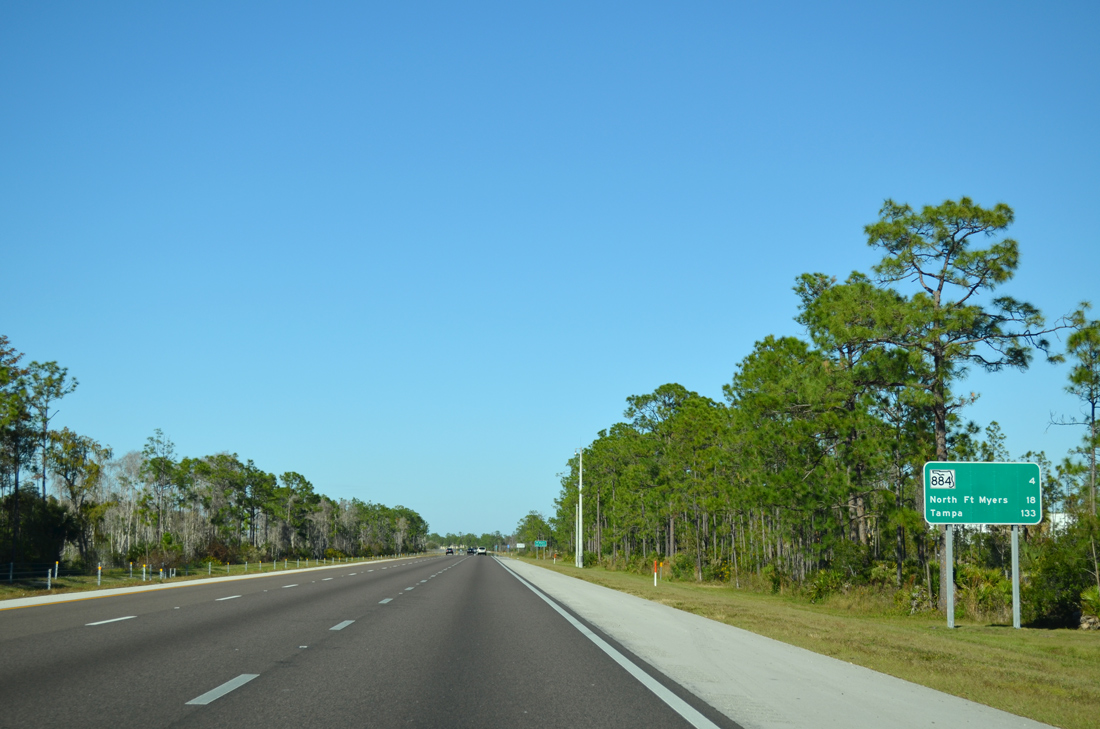
How regional I-75 widening, Estero's push for sound walls, and traffic patterns along Bonita's Old 41 corridor impact neighborhood livability and property values.
When we talk about real estate in Southwest Florida, conversations usually start with architectural styles, community amenities, and proximity to the Gulf. But just as crucial to your day-to-day quality of life—and your home’s long-term value—is the infrastructure connecting everything.
As regional widening along the Interstate 75 corridor continues through south Lee County, local leaders in both Estero and Bonita Springs are paying close attention to the ripple effects. From Estero’s advocacy for sound barrier walls to Bonita Springs monitoring arterial traffic shifts onto Old 41 Road and local roundabouts, regional roadway changes directly touch the neighborhoods we call home.
Here is a look at what these infrastructure developments mean for homeowners, buyers, and sellers across our area.
Estero’s Focus: Protecting Quiet Enjoyment Along the Corridor
For communities bordering the interstate in Estero, highway widening brings both expanded regional capacity and the potential for increased ambient noise. As traffic volume grows, the Village of Estero has actively engaged with transportation planners to advocate for sound barrier walls in residential stretches.
Quiet enjoyment is a cornerstone of residential appeal. In master-planned developments and established single-family neighborhoods near the I-75 corridor, a well-placed sound wall can make a meaningful difference in backyard usability and interior sound levels.
When I walk properties with prospective buyers in Estero, we do not just look at the view across the lanai—we listen. Even within the same neighborhood, a home situated three streets interior or buffered by a dense preserve can offer a noticeably different acoustic profile than one backing closer to the highway buffer. As sound wall discussions progress with regional transportation authorities, keeping tabs on planned wall locations helps buyers make confident, forward-looking decisions.
Bonita Springs: Watching Traffic Shifts on Old 41 and Terry Street
Further south in Bonita Springs, municipal leaders are watching a different dimension of the regional road network: how interstate congestion and construction divert local traffic onto surface roads.
When I-75 slows down, navigation apps quickly redirect drivers onto secondary north-south arteries. In Bonita Springs, that often means Old 41 Road, Imperial Parkway, and the connector routes tying into the Terry Street roundabout.
This dynamic cuts both ways:
-Downtown Vitality: Increased traffic along Old 41 brings visibility and foot traffic to the historic downtown district, Riverside Park, and local dining spots, supporting ongoing revitalization efforts. -Neighborhood Ingress and Egress: For residents living just off Old 41, Terry Street, or East Terry, peak-hour cut-through traffic can change morning commute routines and neighborhood pacing.
Bonita Springs has invested significantly in thoughtful traffic calming, pedestrian walkways, and roundabout designs to keep traffic moving smoothly without sacrificing neighborhood charm. Watching how these corridors absorb seasonal and overflow traffic is an important consideration when evaluating homes in the central and eastern parts of the city.
What This Means for Homebuyers
If you are currently searching for a home in Estero or Bonita Springs, infrastructure planning should be on your checklist alongside floor plans and HOA fees. Here are a few practical steps I recommend to my clients:
-Visit at different times of day: Highway sound travels differently depending on wind direction, atmospheric conditions, and rush-hour volume. Spend time outside on the patio in the mid-morning and during late afternoon peak travel. -Review local thoroughfare plans: Municipal and county planning departments maintain detailed long-range transportation maps. Knowing whether a nearby two-lane road is slated for widening or a new roundabout gives you a clear five-to-ten-year picture. -Consider alternate access points: Look closely at neighborhood gate locations and primary exits. Having more than one route out of your subdivision toward major commercial hubs provides valuable daily convenience.
What This Means for Sellers
If you own a property near a major corridor or along an arterial route that experiences seasonal traffic shifts, positioning your home thoughtfully is key.
Highlighting quality construction elements—such as impact-rated insulated glass windows and solid CBS construction—reassures buyers about interior sound insulation. Landscaping buffers, mature perimeter plantings, and private outdoor courtyard spaces also showcase how the property maintains its peaceful setting.
The Big Picture
Southwest Florida continues to attract residents who value our outdoor lifestyle, coastal climate, and vibrant downtowns. Major infrastructure projects like the I-75 widening are necessary investments to support regional vitality, but their effects are always hyper-local.
Whether you are weighing an Estero community near the corridor or looking at homes near the historic heart of Bonita Springs, understanding how public planning intersects with private property is part of making a sound real estate decision. If you would like to discuss specific neighborhoods or how corridor updates might affect an area you are considering, I am always here to share what we are seeing on the ground.

Anna Borden Taylor
Global Real Estate Advisor, The Westerlund Team at Premier Sotheby's International Realty